Cabinet Hardware Placement: Where Knobs and Pulls Go
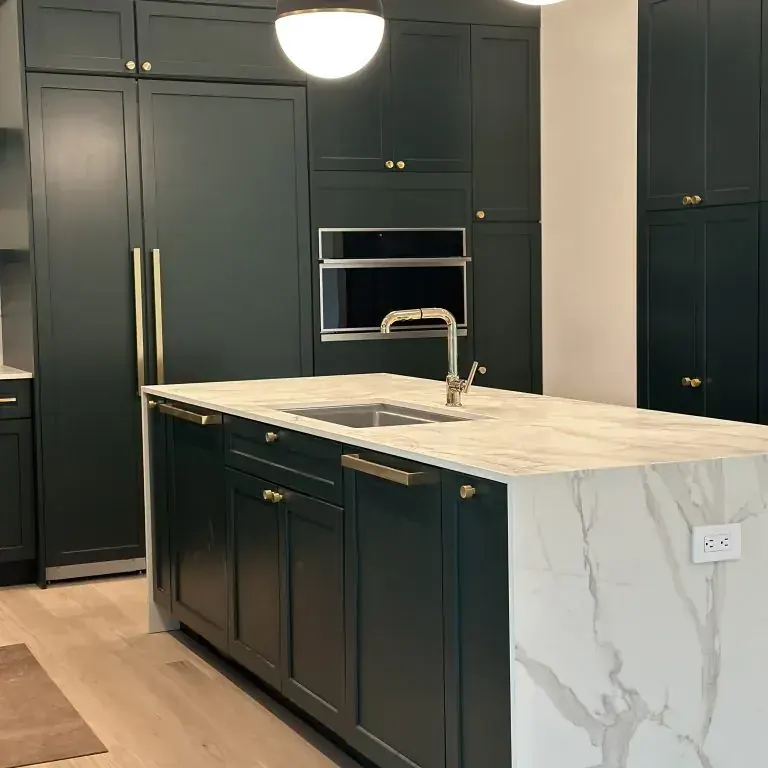
Cabinet hardware placement explained: where knobs and pulls go on base doors, wall doors and drawers, how to size pulls, and how to drill them right.

Guides to custom cabinet woods, construction, finishes and costs from Timber Design + Build.
Cabinet hardware placement explained: where knobs and pulls go on base doors, wall doors and drawers, how to size pulls, and how to drill them right.
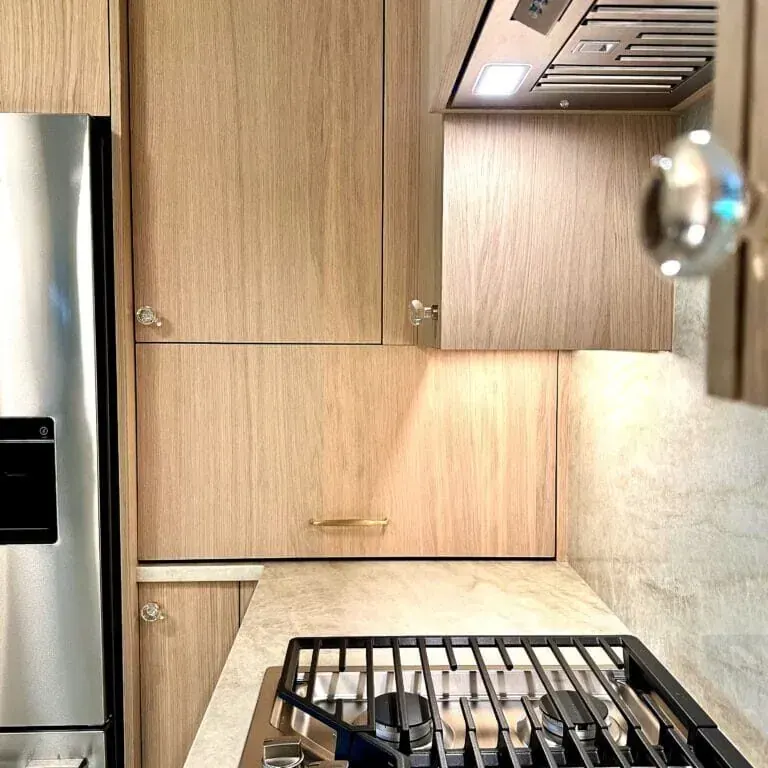
Plywood grades for cabinets explained: face grades AA to E, back grades 1 to 4, core types, and which grade belongs on each part of a cabinet.
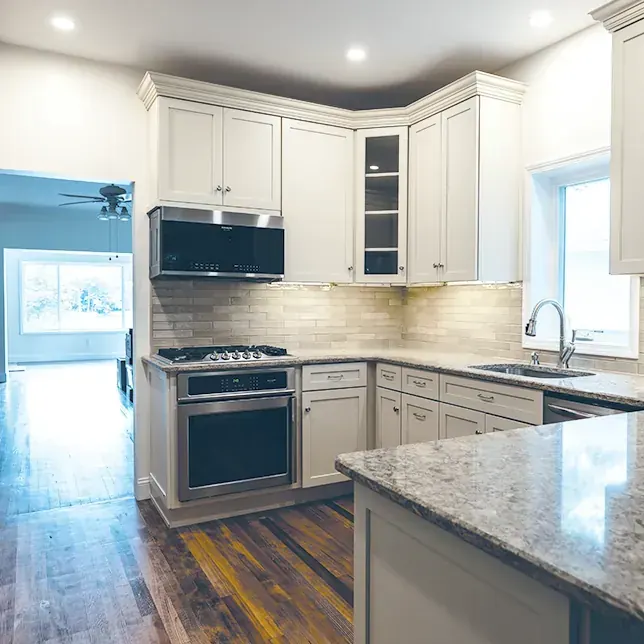
Crown molding for kitchen cabinets: how it attaches, what size fits the gap to your ceiling, which style suits your doors, and how to handle soffits.
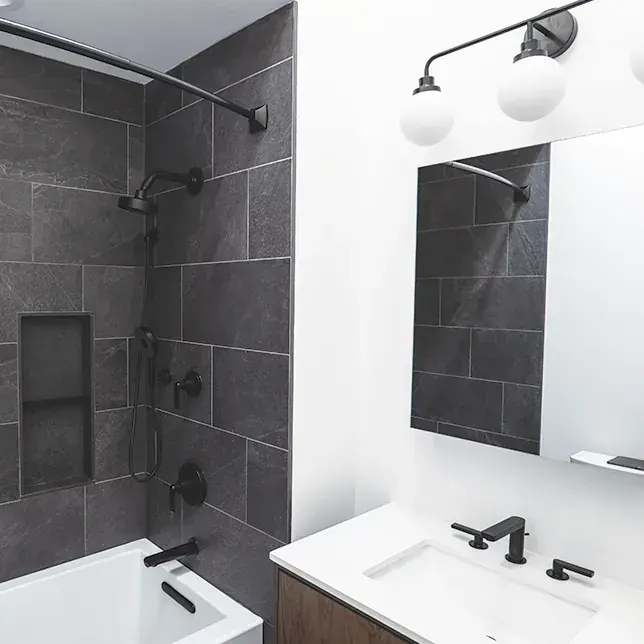
Maple and quarter-sawn white oak are the two species my shop reaches for most often on bathroom vanities. Wood species isn’t the variable that decides whether a vanity survives a bathroom long term, though. Finish quality and ventilation matter more, since no wood species is truly waterproof. Every species eventually fails if water sits against… Read the Full Guide: Best Wood for a Bathroom Vanity →
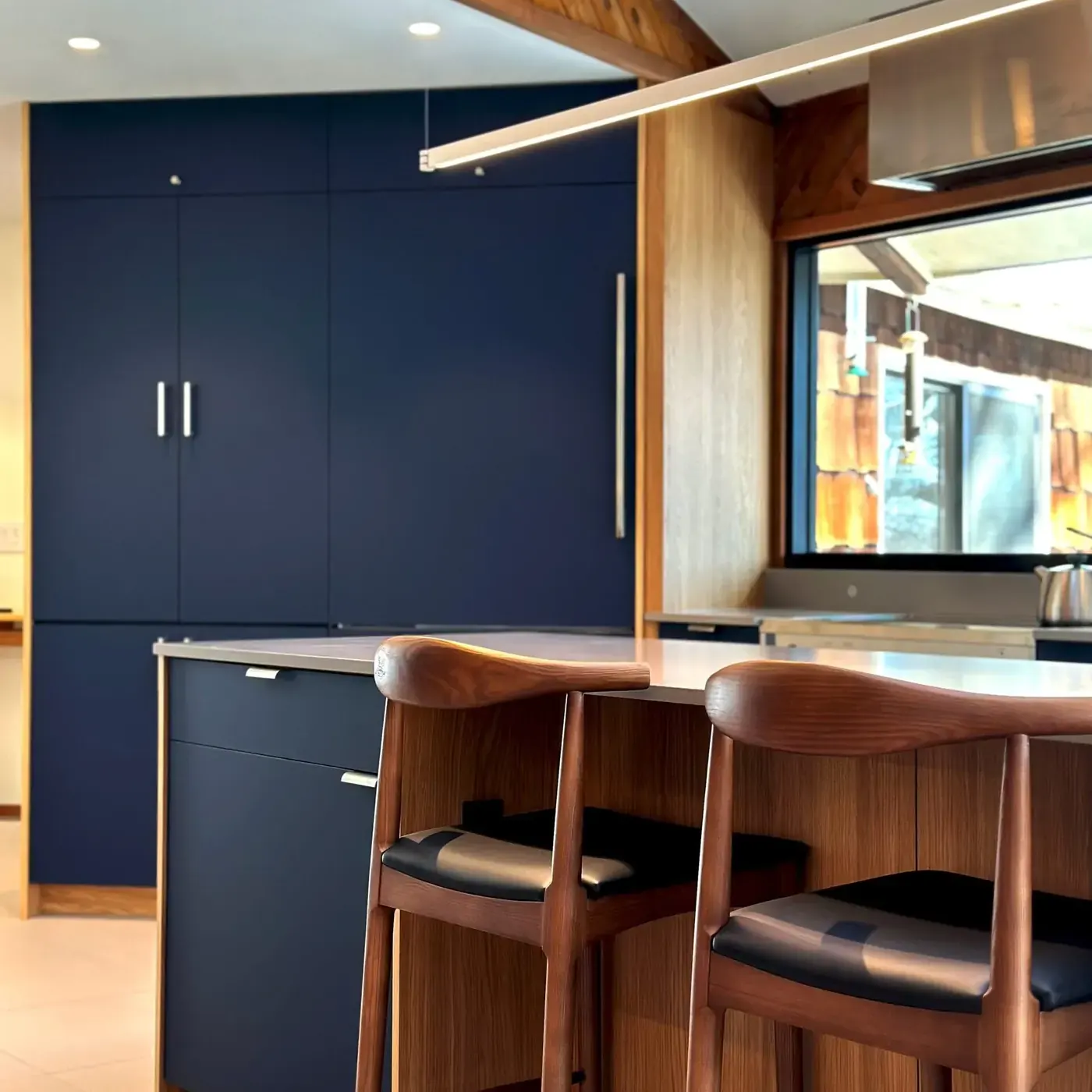
Painted cabinets chip because paint sits on top of the wood as a film instead of soaking into it the way a stain does. Any film coating fails first at a point of impact or stress. That’s why chipping shows up at corners, edges, and hinge points long before it shows up on a flat… Read the Full Guide: Why Do Painted Cabinets Chip? →
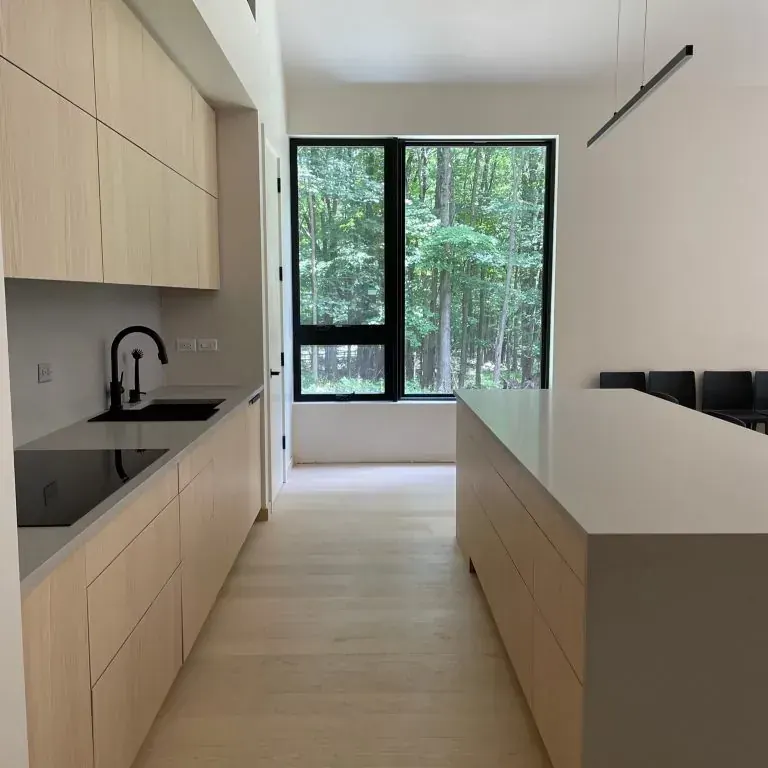
Custom cabinetry is typically priced as part of a full kitchen remodel. Kitchen size isn’t the variable that moves that number the most. Wood species and door style drive it more, since those two decisions set both material cost and the hours my shop spends building and finishing each piece. This article is part of… Read the Full Guide: How Much Do Custom Cabinets Cost? →
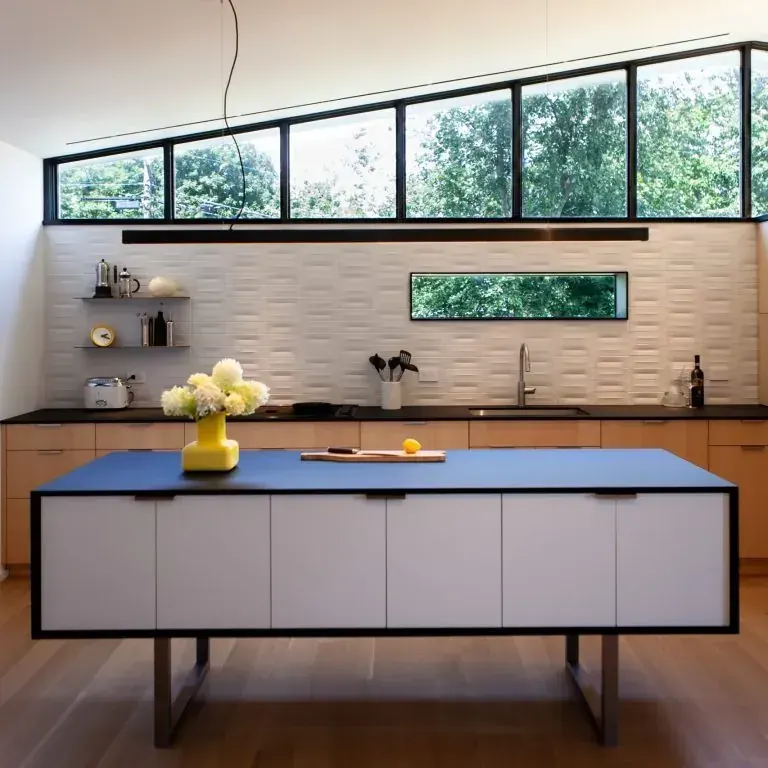
Shaker is a door style my shop builds often, but it isn’t automatically the right choice for your kitchen. The variable that should drive your decision is the architecture of the house, not what’s trending. A Hudson Valley farmhouse, a mid-century ranch, and a new-construction contemporary all call for a different door profile if you… Read the Full Guide: Cabinet Door Styles, Explained →
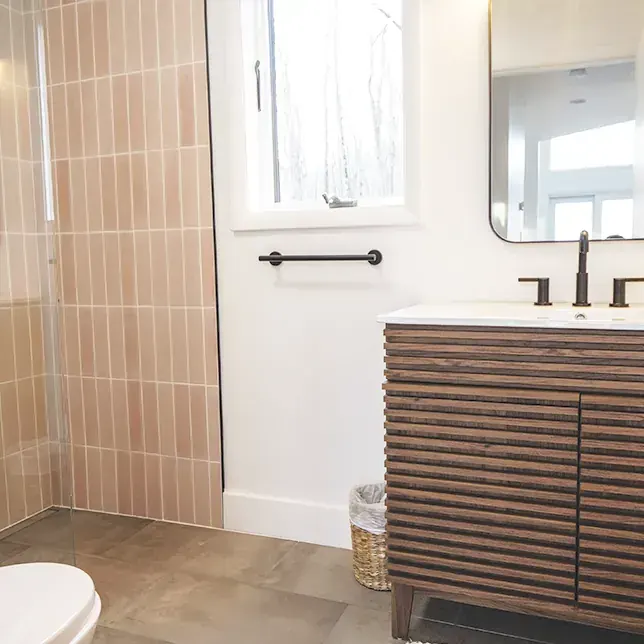
Inset doors sit flush inside the cabinet’s face frame, flush with the wood around them, like a picture in a mat. Overlay doors sit on top of the frame and cover it. The variable that decides which one you should pick isn’t looks. It’s tolerance for gaps. Inset doors need a gap of about 1/8… Read the Full Guide: Inset vs. Overlay Cabinet Doors: What’s the Real Difference? →
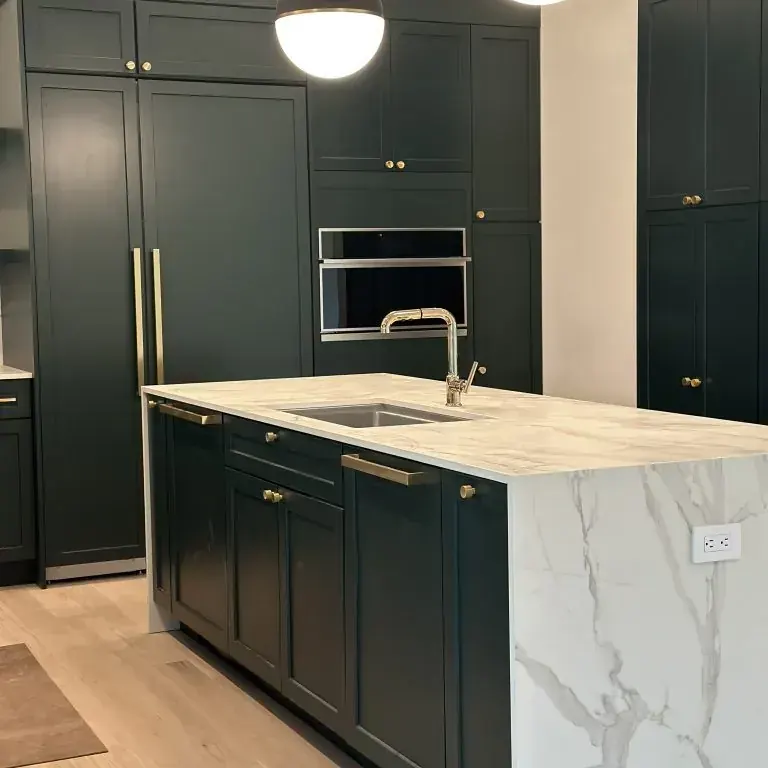
Face-frame cabinets have a solid wood border fastened to the front of the box; frameless cabinets have none, so the door covers the full face edge to edge. That single structural decision determines which door styles work, how much of the interior you can access, and what hardware the entire job gets built around. This… Read the Full Guide: Frameless vs. Face-Frame Cabinets →
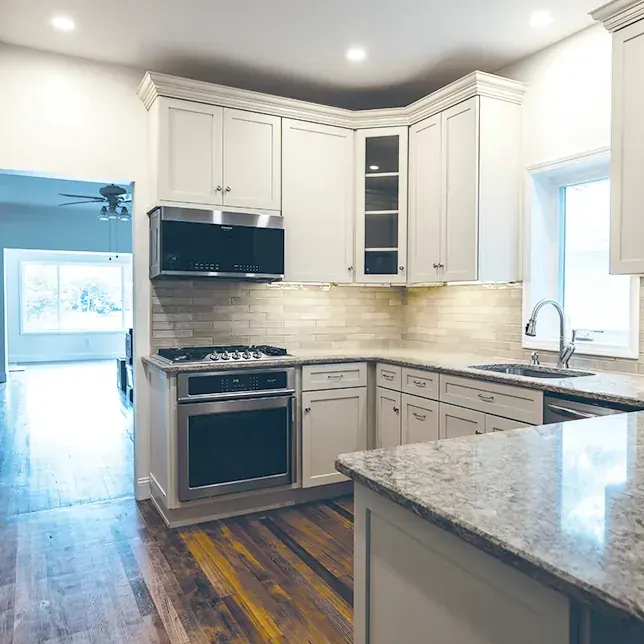
Open a drawer and press down on the box floor. If it flexes, that cabinet is built on particleboard, and it will not last a decade in a working kitchen. Box construction is the single variable that separates a cabinet built to last from one that looks fine on delivery day but starts failing at… Read the Full Guide: How to Tell if Cabinets Are Well Built →